
Missouri voters will encounter a familiar label on Tuesday’s ballot, but Amendment 3 now asks a fundamentally different question. Two years after voters approved constitutional protection for reproductive freedom, the 2026 proposal would repeal that protection and replace it with a more restrictive framework. The repeated number matters: support for Amendment 3 in 2024 and support for Amendment 3 this year do not mean support for the same policy. Missouri Secretary of State
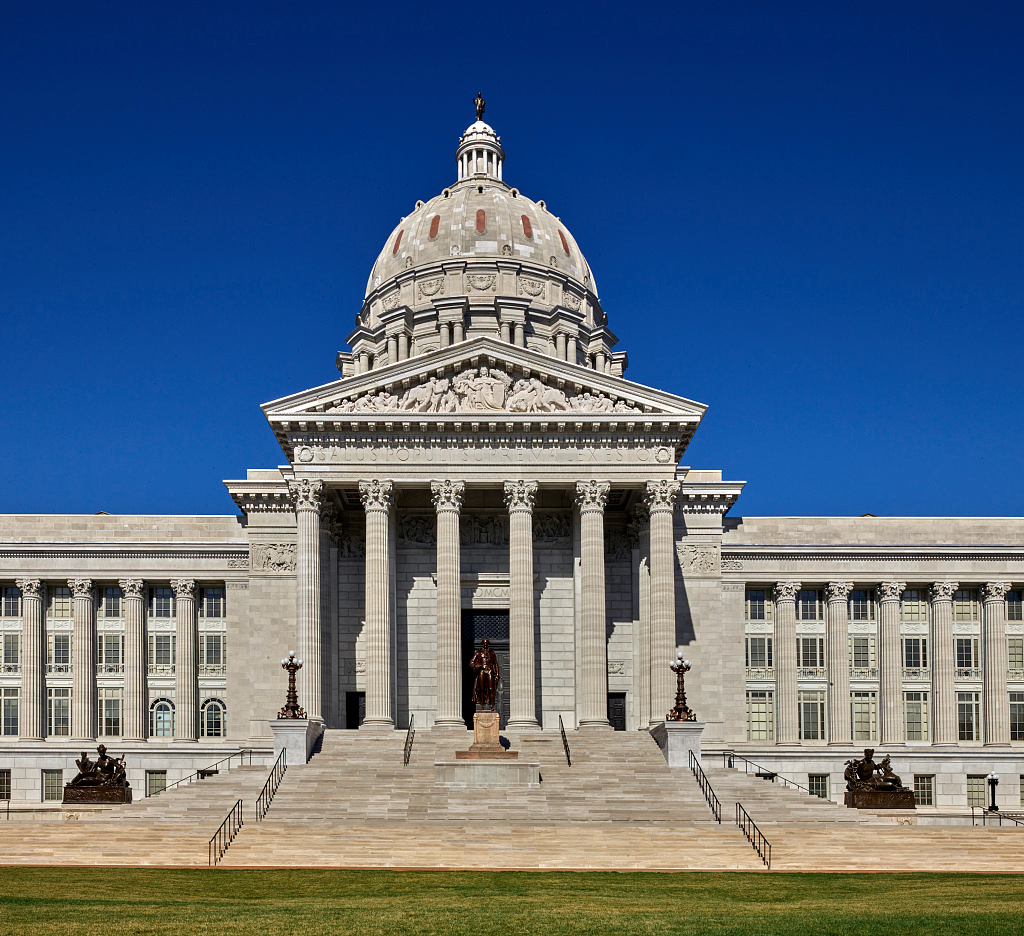
Archive photograph: The Missouri Capitol in Jefferson City, March 19, 2021. This image does not show the 2026 campaign or voting. Credit: Library of Congress, Prints & Photographs Division, photograph by Carol M. Highsmith, LC-DIG-highsm-67891. Public domain.
The earlier measure passed with about 52 percent of the vote, according to ABC News. Its passage followed Missouri’s near-total abortion ban after the U.S. Supreme Court overturned Roe v. Wade in 2022. This year’s election therefore is not Missouri’s first decision on the issue; it is a second statewide judgment on protections voters added only two years ago. ABC News
A yes vote would remove the existing constitutional section and permit restrictions limiting abortion to medical emergencies, fetal anomalies, and pregnancies resulting from rape or incest, with the latter exceptions subject to a 12-week gestational limit. A no vote would retain the existing reproductive-rights provision, including abortion access through fetal viability. The official state summary describes the choice in those terms, rather than as a general referendum on whether abortion should ever be allowed. Official ballot language
The proposal also reaches beyond abortion. Its text would prohibit gender-transition surgeries and the use of hormones or puberty-blocking drugs for gender transition for people under 18, while specifying exceptions for certain other medical conditions. It authorizes laws regulating abortion facilities and providers and includes consent requirements. These provisions would be part of the same constitutional decision, not separate questions that voters could accept or reject individually. HJR 73, pages 1–3
Supporters present the amendment as a restoration of safeguards. Her Health, Her Future, the campaign backing passage, emphasizes parental consent, clinic standards and protections for unborn children. Its website features First Lady Claudia Kehoe arguing that the proposal would strengthen the state’s anti-abortion protections. Those are the campaign’s reasons for seeking a yes vote, rather than a neutral assessment of every consequence. Support campaign
The opposing Stop the Ban campaign argues that voters should preserve their 2024 decision and keep pregnancy decisions with patients, families and doctors. It describes the proposal as a renewed abortion ban and objects to lawmakers seeking to reverse the earlier vote. The dispute is therefore both about access to care and about whether Missourians want to retain or replace a recently adopted constitutional protection. Opposition campaign
For readers following the national midterms, Missouri offers a consequential policy contest separate from the struggle over congressional seats. The relevant distinction on November 3 is not the amendment’s familiar number, but what this year’s text would change. No result is available in this pre-election report; campaign arguments are not evidence of how voters will decide.
Leave a Reply