
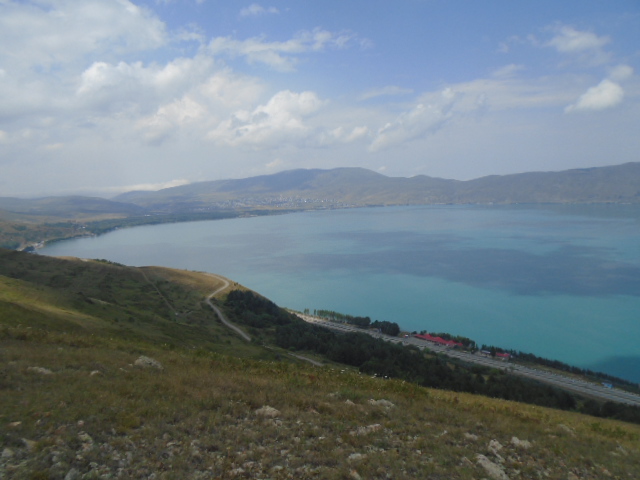
Photo: Lake Sevan in Armenia, photographed near Sevanavank in May 2015. Geographic file photograph; no archaeological discovery is depicted. Vasemmistolainen / Wikimedia Commons, CC0.

Armenia has ratified UNESCO’s convention protecting underwater cultural heritage, with the treaty scheduled to take effect for the country on January 28, 2027.
UNESCO announced the development November 9. Armenia deposited its ratification instrument on October 28, beginning the three-month period required before the convention becomes effective for a new participating state.
Adopted in Paris in 2001, the agreement establishes principles for protecting archaeological and historical material beneath the water. Its definition generally covers traces of human existence submerged, continuously or periodically, for at least 100 years.
Protected material can include structures, artefacts, human remains, vessels and aircraft, together with their archaeological surroundings.
The convention makes preservation in the original location the first option before intervention. Where material is recovered, it calls for conservation and management that safeguard it over the long term.
It also rejects commercial exploitation and encourages responsible, non-intrusive access where that is compatible with protection.
The ratification announcement does not identify a newly discovered site or announce an excavation. Its significance is legal: Armenia is joining an international framework for conservation, scientific cooperation and the responsible treatment of submerged heritage.
Sources: UNESCO ratification announcement; convention text.
Leave a Reply