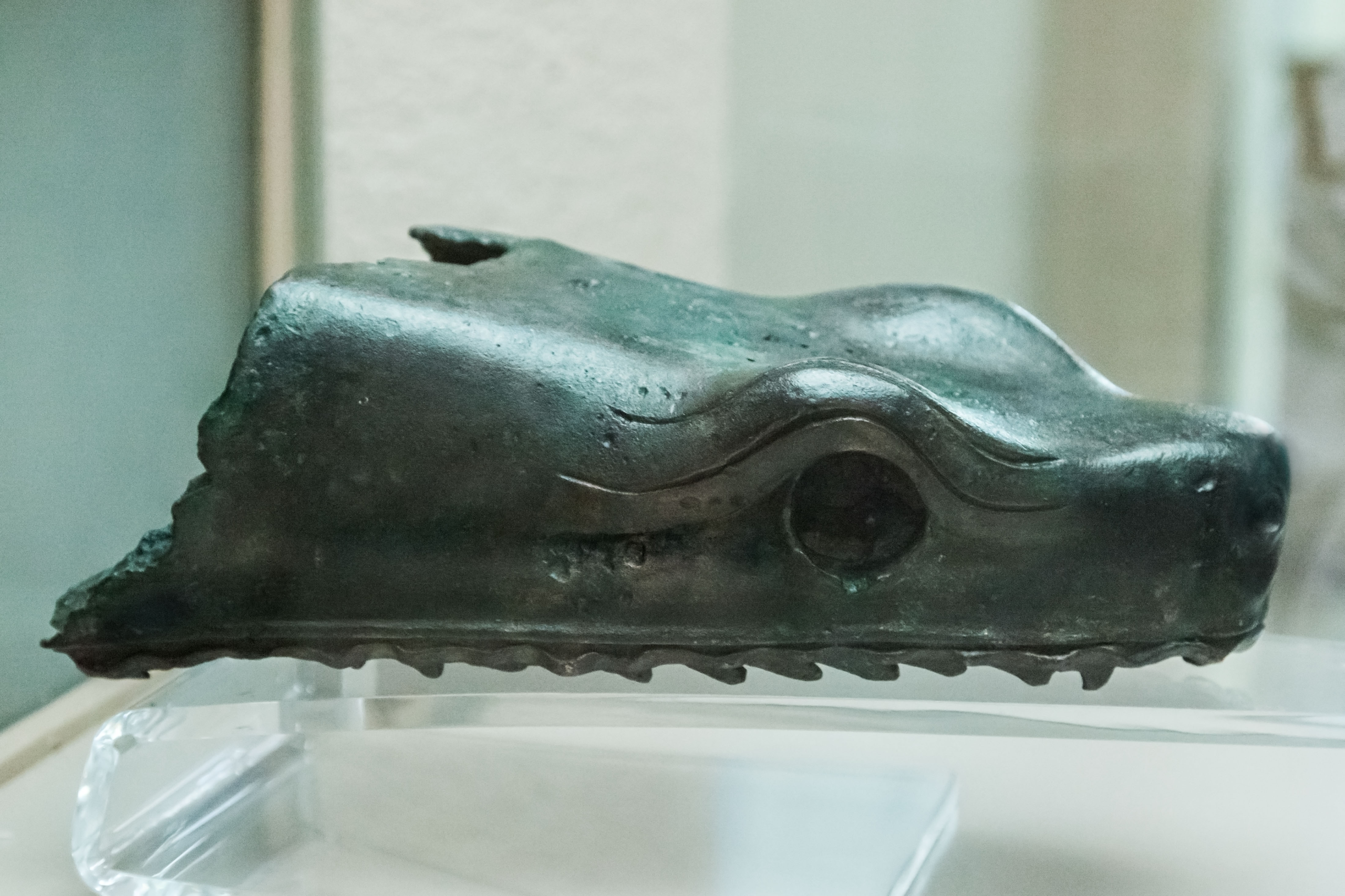
File photograph: the surviving bronze head fragment from the Serpent Column, photographed in Istanbul in May 2013, not at the V&A exhibition. Photo: Eric Gaba (Wikimedia Commons user Sting), CC BY-SA 3.0. Resized for display.

A bronze serpent’s head, religious manuscripts and an Ottoman procession scroll offer different ways into the history of a city that served two empires. The V&A’s Constantinople to Istanbul: One City, Two Empires brings that story to its South Kensington museum in London.
The museum describes more than 200 objects spanning AD 330 to 1922. Textiles, ceramics, mosaics, metalwork and paintings trace changing tastes and the ways rulers, religious institutions and city residents commissioned and used art.
Power, faith and everyday life
Four sections move from Constantinople’s Roman beginnings through Byzantine religious and court culture to Ottoman displays of authority and urban life. The final section includes coffee houses, bathhouses, music and leisure, alongside the influence of European fashions in the 19th century.
In a November 9 review for Engelsberg Ideas, historian Mathew Lyons discusses the surviving head fragment from the Serpent Column among the exhibits. The ancient bronze once belonged to a monument brought from Delphi to Constantinople’s Hippodrome.
Lyons also describes a sixth-century Great Palace mosaic fragment and a 17th-century imperial procession scroll. His response is not wholly celebratory: he questions the limited maps and the exhibition’s emphasis on the display of imperial power rather than its violence. That is a critic’s assessment, distinct from the museum’s account of its aims.
Planning a visit
The V&A lists the exhibition in Galleries 38 and 39 until May 9, 2027. Standard tickets are listed at £25 on weekdays and £27 at weekends, with concessions available. The museum recommends advance booking; visitors should check its booking page for current availability.
Leave a Reply