
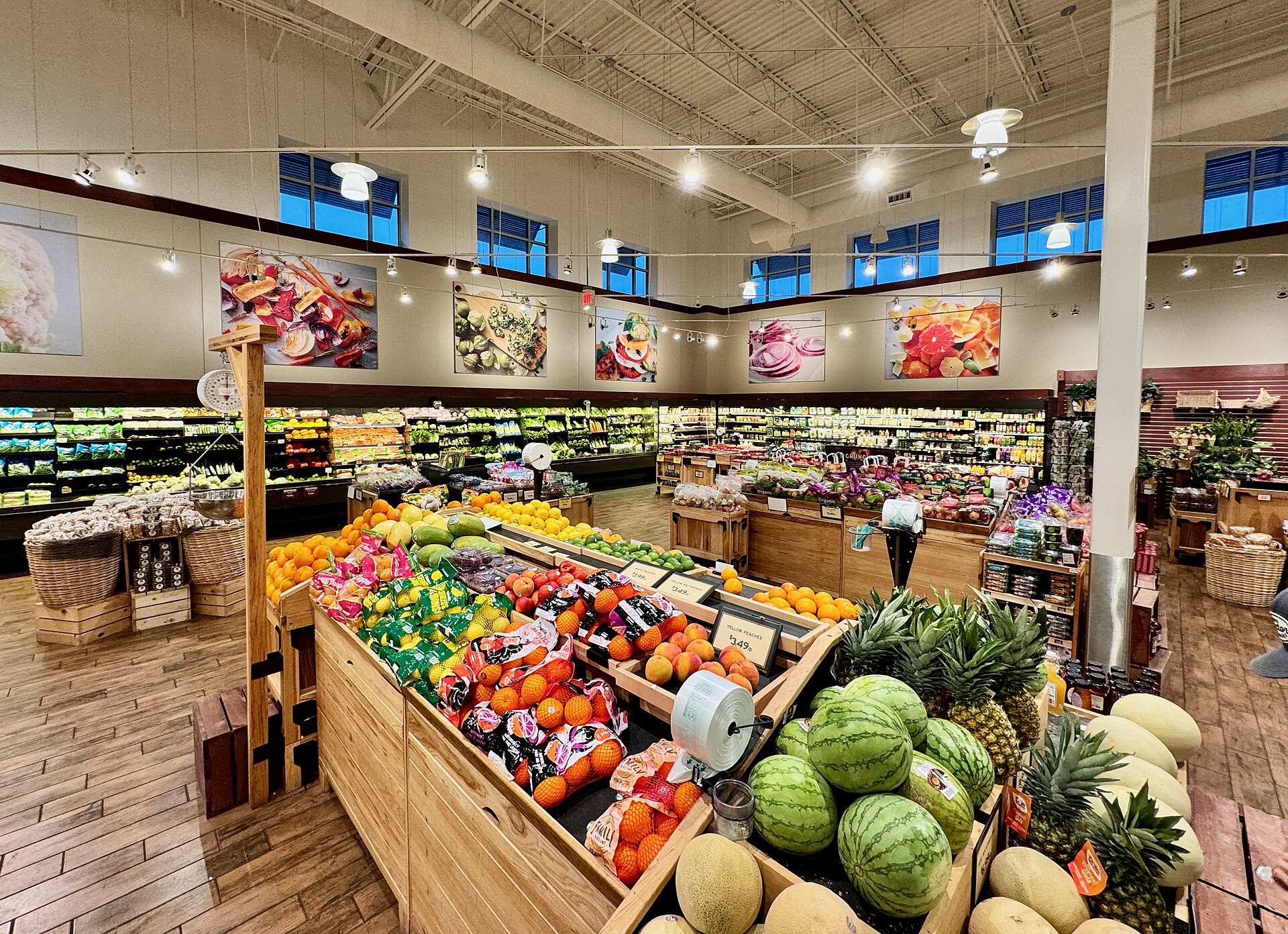
Photo: Produce at a Fresh Market supermarket in Rehoboth Beach, Delaware, October 14, 2023. Archive image for context, not evidence of October 2026 prices. Harrison Keely / Wikimedia Commons, CC BY 4.0. Resized for display.

WASHINGTON, November 10, 2026. U.S. consumer prices rose 0.4% in October, a slower monthly increase than September’s 0.6% but still a reminder that everyday costs are climbing. Food, housing and energy all contributed to the latest increase, according to the Bureau of Labor Statistics.
The seasonally adjusted result exceeded the 0.3% increase forecast by economists in a Reuters survey. It gives the Federal Reserve another inflation reading to weigh before its next policy decision, rather than settling the question of what interest rates should do.
Food and housing keep pressure on budgets
Shelter costs rose 0.3% and accounted for more than 30% of the overall monthly increase. Food prices climbed 0.5%, with groceries up 0.4% and food away from home up 0.5%.
Energy prices increased 0.7%, much less than September’s 5.2% jump. The core index, which excludes food and energy, rose 0.3% for a third consecutive month. Used cars and trucks were among the categories that became cheaper, falling 1.2%.
The mixed picture matters for households. A slower rise in the overall index does not mean prices have returned to earlier levels, and a national average can differ from the experience of a family spending a large share of its income on rent, food or transportation.
Why there is no broad annual inflation figure
This release has an unusual limitation: BLS could not publish October-to-October changes for indexes missing an October 2025 comparison. A federal funding lapse prevented collection of last October’s survey data. The monthly figure should therefore not be described as an annual inflation rate.
That gap also calls for care when comparing headlines or private estimates. An analyst’s reconstructed annual measure is not the same as an officially published year-over-year CPI figure.
The Federal Reserve’s next decision remains open
At its October 28 meeting, the Fed kept its benchmark target range at 3.75% to 4%. The vote was 10–2, with Lisa Cook and Beth Hammack preferring a quarter-percentage-point increase. The central bank said inflation remained elevated while economic activity and domestic spending were strong.
Reuters described Tuesday’s report as reinforcing expectations of a December rate increase. That is an outlook, not an announced decision. The Fed’s October statement said additional information would help determine the appropriate policy stance.
For consumers, the report offers a concrete snapshot of continued cost pressure, alongside some cooling from September. BLS plans to release November’s CPI report on December 10.
Sources: Bureau of Labor Statistics: October 2026 CPI release; Federal Reserve: October 28 policy statement; Reuters: November 10 inflation reporting.
Leave a Reply