
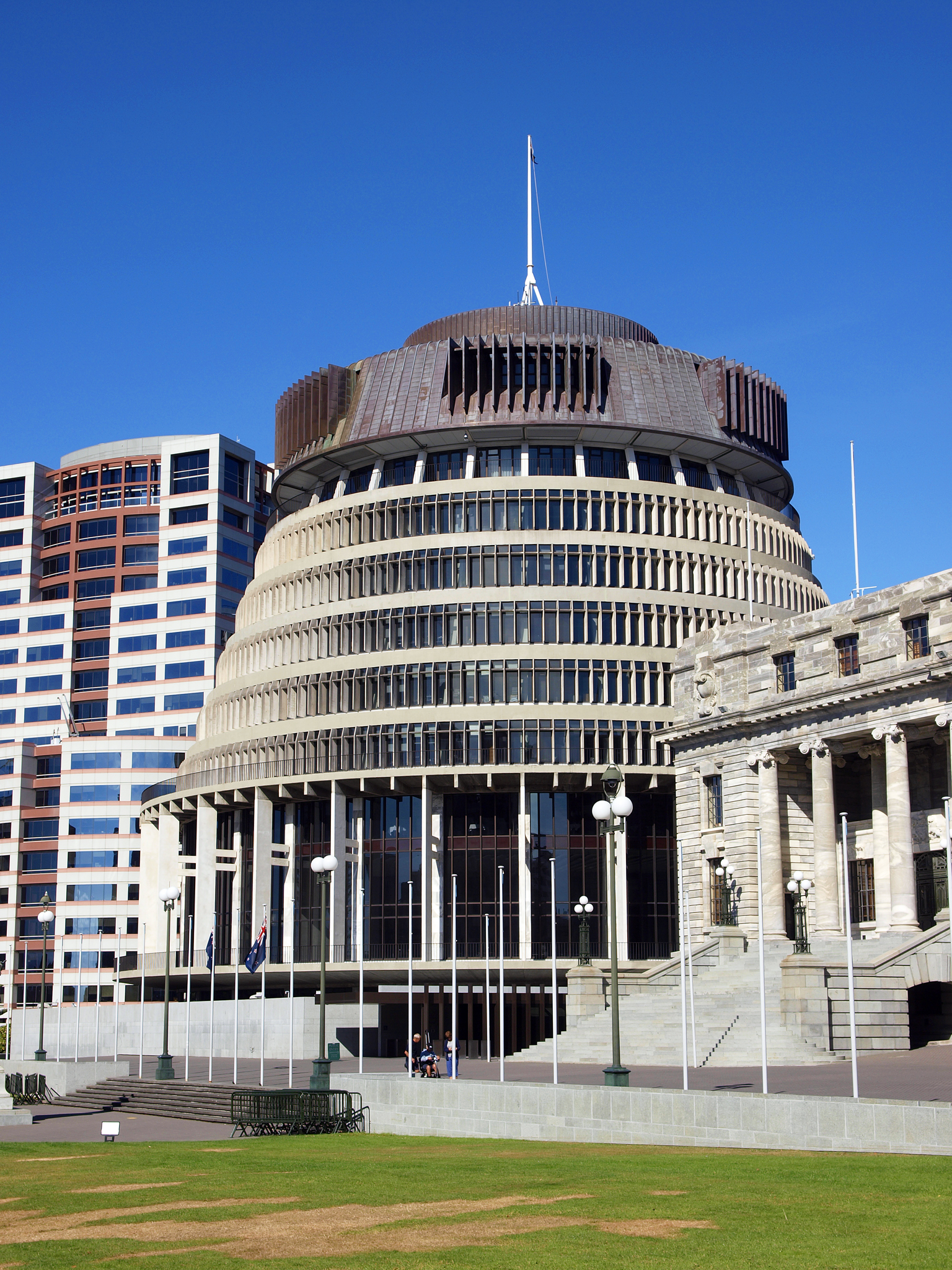

New Zealand’s November 7 election has left the composition of its next government unresolved, with National and Labour closely matched and the official result still weeks away.
The Electoral Commission’s preliminary release gives Labour 29.36 per cent of the party vote and National 29.21 per cent. National nevertheless has the larger projected parliamentary delegation, with 42 seats compared with Labour’s 36, reflecting its electorate results under New Zealand’s mixed-member proportional system.
National, ACT and New Zealand First together hold a projected 67 seats in a 131-member Parliament. That is a narrow provisional majority, rather than a final determination of who will govern. Special votes still have to be checked and counted, ordinary votes are recounted, and the commission says the preliminary figures will change. Official results are scheduled for November 27.
The distinction between the party vote and parliamentary seats is important. Voters choose both a local representative and a party. If a party wins more electorate seats than its party-vote share would ordinarily provide, an overhang can increase Parliament’s size and affect the number needed for a majority.
Prime Minister Christopher Luxon acknowledged that negotiations and compromises would be needed. Labour leader Chris Hipkins urged patience while votes were counted. Neither party has enough seats to govern alone.
The Opportunity Party is among the smaller parties positioned to influence the eventual outcome. ABC reported that its projected arrival in Parliament could become important if the existing governing bloc loses its narrow advantage after the remaining votes are included.
For now, the election is beyond the early-count stage but still short of a final result. Coalition arithmetic and the official count, rather than a narrow lead in the party vote alone, will decide the next government.
Leave a Reply