
By Ricardo Tito Baron
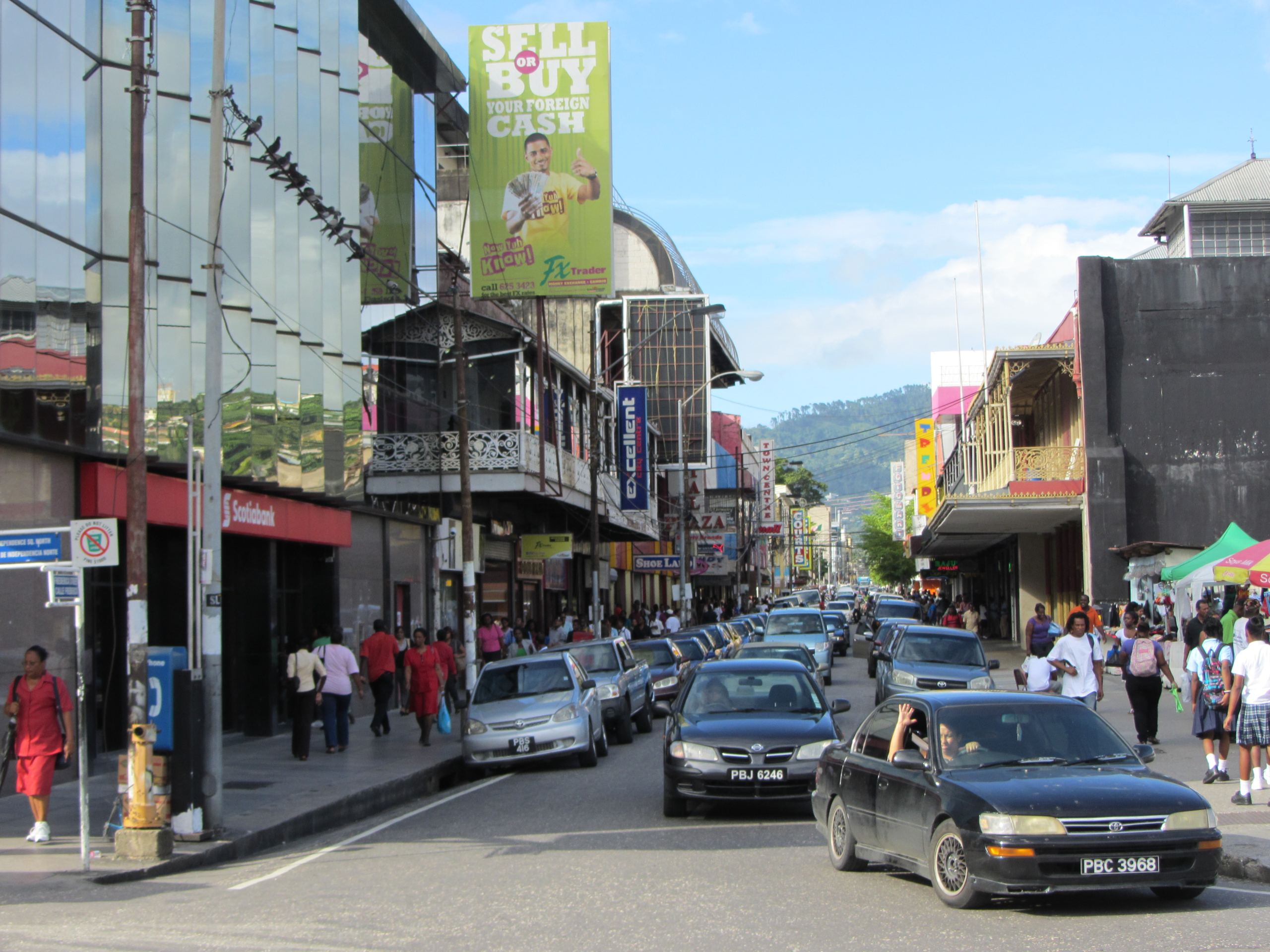
Pedestrians and street vendors on Frederick Street, Port of Spain, Trinidad and Tobago, January 2012. File photo. Photo: Anneli Salo / Wikimedia Commons, CC BY-SA 3.0

In 2018, when we celebrated the first victory in the Trinidad and Tobago courts, I spent the evening with several people, including Jason Jones. We acknowledged his efforts then, and I acknowledge them again now.
I welcome the unanimous decision of the five judges of the Judicial Committee of the Privy Council in his favour. The final form of the remedy remains to be settled, but this is an important victory in the challenge to the criminalisation of private, consensual sexual relations between adults of the same sex.
Yet one thing remains as it did in 2018: there is more work to be done.
Some of this work should never have been necessary. Our political leaders should have taken responsibility for removing these archaic restrictions. A citizen should not have had to pursue years of litigation, all the way to the Privy Council, to secure respect for such a personal part of his life.
Under the People’s National Movement government, the State appealed the High Court’s 2018 ruling. After the United National Congress returned to government in 2025, the State continued opposing Jones before the Privy Council and pursued a cross-appeal.
In my view, the UNC government should have changed course. It should have stopped defending these provisions and brought forward legislation to remove them. Instead, a change of government left us facing continued resistance in court.
That does not establish what every member of either party personally believes. It does establish the positions taken by the State under both administrations. Both parties owe us an explanation, particularly those of us whose lives and relationships have been affected.
This judgment addresses an important part of the criminal law. Marriage, family recognition, safety, discrimination and acceptance remain unfinished business.
For me, these questions are personal. I am a bisexual man. Growing up, I had feelings for both men and women, but I did not understand much about bisexuality. Those feelings were treated as taboo and wrong, and I felt there was nobody I could really talk to.
In my experience, bisexuality is often dismissed or folded into the label “gay.” That leaves little room for people to explain their own lives. When you are already trying to understand yourself, being unable to speak openly makes it harder.
I have also received death threats for supporting members of the LGBTQ community. That is part of the reality behind this discussion. Speaking up for another person’s dignity should never expose someone to threats against their life.
We need to see the whole person. Same-sex relationships involve connection, love, companionship and, for many, building a family. Gay people do not have sex 24 hours a day. They work, study, pay bills, care for relatives and worry about the future. They have friendships, responsibilities and ordinary days. Reducing their lives to what happens in a bedroom leaves out almost everything that makes a life.

Accounts of same-sex love and relationships go back thousands of years. More than two thousand years ago, Plato’s Symposium discussed love between males. Ancient societies had different customs and understood relationships differently from us, so we should be careful about applying modern labels to them. Even so, these accounts make clear that such relationships did not suddenly appear in our generation.
Our laws should recognise the lives people are building now.
I want Trinidad and Tobago to recognise same-sex marriage and provide proper legal protection for same-sex couples and their families. Our law already recognises certain rights arising from unmarried, opposite-sex cohabiting relationships. Same-sex couples should have comparable protections, alongside the right to marry.
People build homes together, share responsibilities, care for each other through illness and plan for their futures. Property, inheritance, family responsibilities and what happens when a partner dies should not be left uncertain because the couple happens to be of the same sex.
Religion must be part of this conversation, and I want to be clear about my position. I am not proposing that any church or other religious body be forced to perform a same-sex marriage. Those willing to do so should be able to. Those unwilling should retain that choice.
The State, however, should provide a civil route to marriage. Whether at a courthouse, the Red House or another authorised public venue, a same-sex couple should be able to marry before someone legally empowered to perform the ceremony.
Churches should have the freedom to decide which marriages they perform. We should have the freedom to marry and build our lives without needing a church’s approval. People can hold different religious beliefs while enjoying equal access to civil marriage.

We also need to address discrimination in everyday life.
A bakery serving the public should not be able to refuse someone a cake because that person is gay, lesbian or bisexual. A business may have limits on the designs or messages it offers, but those limits should be applied consistently. They should not become an excuse to deny customers service because of their sexual orientation.
The same principle should apply to employment. A person should be assessed on their qualifications, ability and performance. Their sexual orientation should not cost them a job, promotion or fair treatment at work. Everyone should be expected to meet the proper requirements of the job.
Constitutional rights and general criminal laws already provide protections that matter. But significant gaps remain. The Equal Opportunity Act, for example, expressly excludes sexual orientation from its definition of sex. We need clear, effective protection against discrimination affecting gay, lesbian and bisexual people, and transgender people too.
Being transgender concerns gender identity, which is distinct from sexual orientation. Understanding that distinction should help us discuss people’s needs accurately and treat them fairly.
Families deserve the same careful attention. I support fair access to adoption for suitable same-sex couples and for single men and women, whether gay, bisexual or straight. Being single should not automatically disqualify someone from providing a child with a safe, loving home.
Every applicant should face proper assessment, and every placement should have appropriate monitoring and support. That responsibility applies whether someone is gay, straight or simply perceived as straight. We cannot assume a child is safe because an adult appears heterosexual, or unsafe because an adult is gay.
The child’s welfare must come first. Assessments should examine a prospective parent’s ability to provide care, stability and protection. Safeguards must be meaningful and applied fairly to everyone.

Education also has an important role, both at school and at home.
For younger children, age-appropriate teaching can include understanding that families differ and that nobody deserves bullying because of their family, appearance or interests. As children grow, conversations about relationships, boundaries, consent and respect should be accurate and appropriate to their age.
Parents deserve clear information about what is being taught. Schools should work with them while taking every child’s safety seriously. Young people need trustworthy support and room to ask questions without being pressured towards any identity.
Explaining that gay, lesbian, bisexual and transgender people exist, and deserve dignity, should not automatically be treated as grooming children or trying to determine their sexuality.
At home, when parents notice something they consider a sign that a child might not be heterosexual, their first response should be to listen. Clothes, interests and mannerisms do not establish a child’s sexual orientation or gender identity. Adults should not rush to assign labels or demand explanations a child may not yet have.
A parent may have questions, fears or religious beliefs they are trying to reconcile. They can seek reliable guidance while continuing to love and protect their child. Children should be able to speak honestly at home without being mocked, threatened, rejected or pressured to fit an expectation.
I think about how different growing up might have been if I had been able to have those conversations. We need safe spaces where people can understand themselves without humiliation or fear.
We also need to stop allowing separate policy debates to overwhelm the discussion about consenting adults and their relationships.
Privacy in bathrooms and changing facilities, safeguarding children and fairness in women’s sport deserve careful consideration, evidence and clear rules. Concerns about harassment, abuse or other misconduct must be addressed directly. Sexual orientation or gender identity alone does not establish that someone is dangerous.
Those debates should not be used to deny two consenting adults the right to a relationship or prevent that relationship from being recognised and protected.
Safety requires more than words. Where an LGBTQ person is threatened, attacked or killed, investigators should examine any evidence that prejudice played a part. Motive should be established through evidence, without assumptions in either direction.
We need reporting systems, police responses and legal protections that take threats and violence seriously. A person seeking help should be able to trust that their sexual orientation or gender identity will not make their complaint less important.
The government now needs to explain what it intends to do.
Will it strengthen protection against discrimination? Will it pursue marriage equality, fair adoption policies and legal recognition for same-sex families? Will it improve the response to threats and violence and support responsible public education?
We deserve specific commitments and a timetable. Those answers should help us decide whether either major party deserves our continued support at the ballot box.
When we celebrated in 2018, we recognised an important victory and the effort it had taken to achieve it. Today, I again acknowledge Jason Jones’s persistence and the work of others who have continued this struggle.
But people should not have to spend their lives fighting for the right to love, work, raise a family and live safely.
I look forward to a Trinidad and Tobago where a bisexual person growing up has someone safe to talk to, where supporting the LGBTQ community does not invite death threats, and where two consenting adults can build a life together with their relationship respected and protected by law.
We have reason to acknowledge this victory. We also have every reason to insist that the work continues.
Leave a Reply